
What Your Building Says About Your Company Brand
People read a building before they read a brochure. The parking lot, entryway, lobby, lighting, restrooms, signage, and maintenance all send signals before anyone says a word.
A company can claim to be careful, modern, welcoming, or premium. The building either supports that claim or quietly argues with it. This is why physical space matters so much. It gives customers, employees, partners, and neighbors a real-world sample of how the company thinks, spends, and treats people.
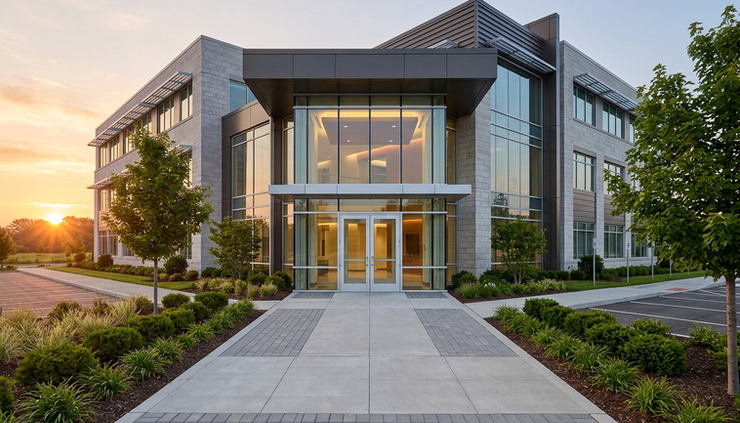
First impressions start outside
The exterior of a building sets expectations in seconds. A clean facade, clear path to the entrance, visible address numbers, and well-kept landscaping suggest order and care. Peeling paint, faded signs, broken lights, or overflowing trash do the opposite.
This does not mean every business needs marble floors or dramatic architecture. A small warehouse, clinic, shop, or service center can feel trustworthy when it is clean, easy to find, and clearly maintained.
The outside of the building answers quiet questions:
Is this company stable?
Does someone pay attention to details?
Will I know where to go?
Do they care about safety and comfort?
A strong company brand is not only shaped by color palettes and taglines. It is shaped by the condition of the front door, the cleanliness of the windows, and whether visitors can find the entrance without guessing.
Even practical features carry meaning. Good lighting says people thought about security. Accessible ramps and clear paths say the company considered different needs. Fresh striping in the parking lot says the property is actively cared for.
When the exterior feels neglected, people may wonder what else gets neglected.
The customer experience begins at the threshold
The moment someone walks in, the building starts guiding their mood. Is the entry bright or dim? Is there a clear place to check in? Does the space feel calm, cramped, confusing, or cold?
A good building experience reduces friction. People should know where to stand, where to wait, and how to move through the space. This matters for nearly every type of company, from a dental office to a distribution center to a boutique manufacturer.
Clarity communicates respect. When a visitor can navigate the building easily, the company saves them from awkwardness. That small comfort can shape the whole visit.
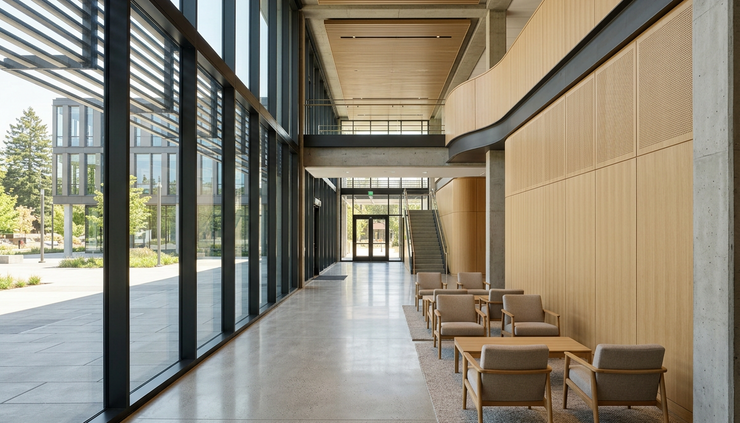
A building can also show whether a company understands its own customers. A family-focused business might need room for strollers and comfortable waiting areas. A high-end showroom may benefit from quiet materials, focused lighting, and fewer visual distractions. A busy service counter needs durable surfaces, clear lines, and fast circulation.
The best spaces feel intentional. They do not make visitors work hard to understand what kind of company they have entered.
Maintenance tells the truth
Every building ages. The real question is how the company responds.
Scuffed walls, stained ceiling tiles, loose handles, flickering lights, and worn flooring may seem small on their own. Together, they tell a story. They suggest that standards have slipped or that no one has been given ownership of the space.
By contrast, regular maintenance builds confidence. It does not need to be flashy. In fact, the most effective maintenance often goes unnoticed because everything simply works.
A well-kept building sends a simple message: this company follows through.
That message matters for employees as much as customers. People take cues from their surroundings. A clean, working, cared-for environment can support pride and accountability. A neglected one can slowly lower expectations.
Maintenance also affects how believable the company’s promises feel. If a business talks about precision but has crooked signs and cluttered walkways, the mismatch is hard to ignore. If it talks about hospitality but the entry is dark and uncomfortable, the experience weakens the message.
The building does not need to be perfect. It needs to show that someone cares enough to keep it right.
Design choices show your priorities
Design is not only about style. It reveals what a company values.
A building with open sightlines, clear entrances, and simple wayfinding suggests transparency and ease. A space with durable finishes and smart storage suggests practical thinking. A property with shaded outdoor areas or bike parking may suggest attention to comfort and daily use.
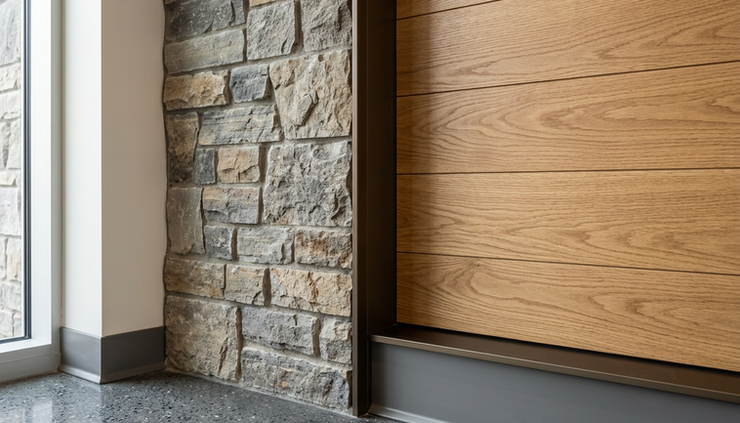
Materials matter too. Warm wood, stone, glass, metal, concrete, plants, and color each create a different feeling. The right choice depends on the business. A children’s clinic should not feel like a luxury car showroom. A specialty engineering firm does not need to look like a cozy cafe.
The key is alignment. The building should feel like the physical version of the company’s promise.
Color can play a role, but it should serve the space rather than overwhelm it. A bold accent wall may work well in a fitness studio or creative workshop. A calmer palette may better suit a medical, financial, or legal setting. Lighting has the same effect. Harsh light can make a space feel tense. Warm, balanced light can make it feel more human.
Good design also supports daily behavior. If trash cans are hard to find, people leave messes. If storage is missing, clutter appears. If entrances are confusing, staff must explain the same thing all day. The building should help people do the right thing naturally.
Your building speaks to employees, too
A company’s building is not only a message to visitors. It shapes the employee experience every day.
Break areas, restrooms, locker rooms, back entrances, work zones, and maintenance areas all carry meaning. Employees notice whether the public spaces look polished while the staff areas feel forgotten. That gap can damage trust.
When the whole building receives care, people understand that standards apply everywhere. Comfortable temperature, clean shared areas, safe walkways, and working fixtures are basic, but they matter. They tell employees their time and comfort count.

This does not require luxury perks. It requires consistency. A modest space that is clean, safe, and thoughtfully arranged often says more than an expensive space that feels careless.
Buildings influence culture through repeated signals. Over time, those signals become part of how people talk about the company.
Make the building match the message
A building will always say something. The choice is whether that message is planned or accidental.
Start with a simple walk-through. Approach the property like a first-time visitor. Look at the parking area, entry, lighting, signage, smells, surfaces, seating, restrooms, and paths. Notice what feels confusing, worn, or out of step with the company’s promise.
Then fix the basics before chasing big design changes:
Clean what people see first
Repair what looks broken or unsafe
Make entrances and directions clear
Improve lighting where people arrive, wait, or walk
Keep customer and employee areas at the same standard
Choose materials and colors that fit the company’s personality
The building does not have to tell the whole story of a company, but it should not tell the wrong one. When the space is cared for, clear, and aligned with the company’s values, it becomes more than a place to work or visit. It becomes proof.


Comments