
Design Build vs Traditional Delivery Which Project Method Is Right for You
A project can look simple on paper and still become stressful once design changes, bids, budgets, schedules, and responsibility start pulling in different directions. The delivery method you choose shapes how those pieces fit together.
For most building projects, the decision comes down to two common paths: design-build and traditional delivery, often called design-bid-build. Both can lead to a successful project. They just create a very different experience from the first sketch to the final walkthrough.
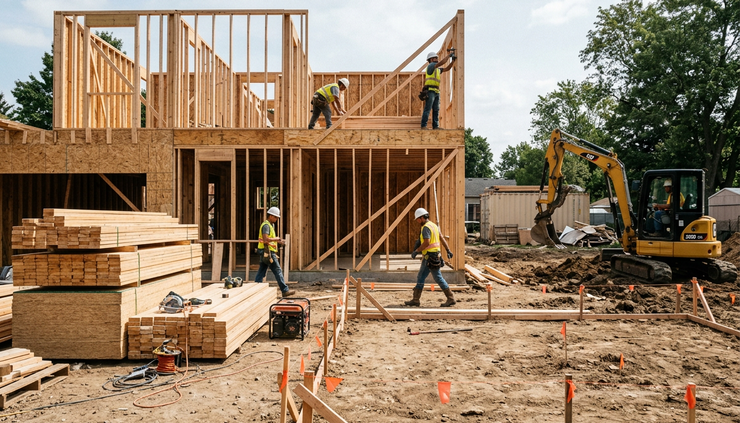
How the two methods work
In traditional delivery, the owner hires a designer first. The designer creates the plans, drawings, and specifications. Once the design is complete, contractors bid on the work. The owner then chooses a contractor and construction begins.
That sequence is clear and familiar:
Design the project
Bid the project
Build the project
The benefit is separation. The designer focuses on the owner’s vision, while contractors compete for the build. This can work well when the scope is stable and the owner wants a formal bidding process.
In design-build, one team handles both design and construction. The owner signs one main contract with a design-build firm or team. Designers and builders work together from the start, which can help align the plans with the budget, site conditions, materials, and schedule.
The process is more integrated:
Define goals and budget
Design with builder input
Price and adjust as the design develops
Build with the same team involved
The big difference is responsibility. With design-build, one team owns the outcome. With traditional delivery, responsibility is split between the designer and contractor.
Where design-build tends to fit best
Design-build is often a strong fit when speed, coordination, and early cost feedback matter. Because the builder joins the conversation early, the team can spot construction issues before the plans are complete.
That can reduce surprises like:
Details that look fine on drawings but are hard to build
Materials that do not fit the budget
Long-lead items that could delay the schedule
Design choices that add cost without adding much value
This method can be especially useful for commercial renovations, tenant improvements, industrial spaces, medical or dental offices, multifamily updates, and custom residential work where the owner wants a guided process.
It also helps when the scope may change as the project develops. Since the designer and builder are working together, decisions can move faster. There is less back-and-forth between separate contracts.
The main advantage of design-build is not just speed. It is having design, pricing, and construction knowledge in the same conversation early.
That said, design-build requires trust. The owner needs confidence in the team’s pricing, communication, and decision-making process. A clear contract, transparent estimates, and defined milestones matter.
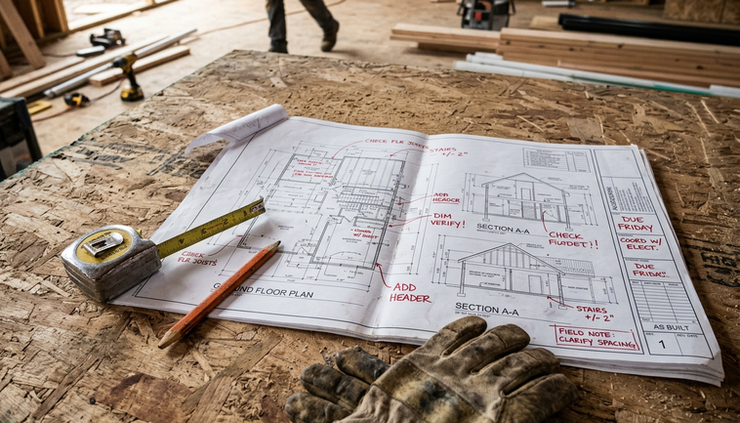
Where traditional delivery tends to fit best
Traditional delivery can be the better choice when the owner wants a completed design before talking to contractors. It also works well when the project must follow a formal public bid process or when competitive bidding is required by policy.
This method gives the owner and designer time to fully define the scope before pricing. If the drawings are detailed and accurate, contractors can bid on the same information. That can make comparisons easier.
Traditional delivery often fits projects with:
A clearly defined scope
Few expected design changes
A need for multiple competitive bids
A separate architect or engineer already selected
Public or institutional purchasing rules
The tradeoff is timing. Since contractors usually enter after the design is complete, budget feedback may arrive late. If bids come in too high, the team may need to redesign, rebid, or remove parts of the scope. That can add time and frustration.
There is also a higher chance of disputes when something goes wrong. The designer may say an issue came from construction. The contractor may say the issue came from the drawings. The owner can end up caught between both sides.
The main differences at a glance
Factor | Design-build | Traditional delivery |
Contract structure | One main contract for design and construction | Separate contracts for design and construction |
Team coordination | Designer and builder work together early | Builder joins after design is complete |
Cost feedback | Usually starts during design | Often comes after bidding |
Schedule | Can be faster because phases overlap | Usually more sequential |
Owner control | More collaborative and guided | More direct control over designer selection and bid process |
Best fit | Projects needing speed, cost input, and coordination | Projects needing formal bids and fixed design before construction |
Neither option is automatically better. The better choice is the one that matches the project’s risk, budget, schedule, and decision style.
How to choose the right method
Start with the parts of the project that carry the most risk. If the schedule is tight, the budget is firm, or the site has unknowns, design-build may give you better control because the construction team can weigh in early.
If the project is simple, fully defined, and well suited for competitive bidding, traditional delivery may make more sense. It gives you a familiar structure and clear separation between design and construction roles.
Ask these questions before choosing:
How complete is the scope? If many details still need to be figured out, design-build can help shape them with cost and construction input.
How important is speed? Design-build can reduce delays by allowing overlap between design and preconstruction planning.
How much pricing certainty do you need early? If early budget checks matter, design-build usually gives faster feedback.
Do you need a formal bid process? If rules or funding require open bidding, traditional delivery may be the right path.
How involved do you want to be? Traditional delivery may require more owner coordination between separate parties. Design-build gives one point of contact, but trust and transparency become even more important.
For Design Build vs Traditional Delivery, the deciding factor is usually not the size of the project. It is the amount of coordination the project needs before construction starts.
The best choice is the one that reduces friction
A good delivery method should make decisions clearer, not harder. Design-build often works best when collaboration, speed, and early cost control are priorities. Traditional delivery often works best when the design is complete, the scope is stable, and competitive bidding is central to the process.
Before choosing, define what success looks like. A lower bid may not help if the project faces delays, redesign, or change orders. A faster process may not help if the contract lacks clarity. The right method gives the team the structure to make good decisions before problems become expensive.
Choose the path that fits the way the project needs to be planned, priced, and built.


Comments